

Sinistra Sensei
Owner
-
Joined
-
Last visited
-
 For those that have seen it what do you think of it so far?
 -
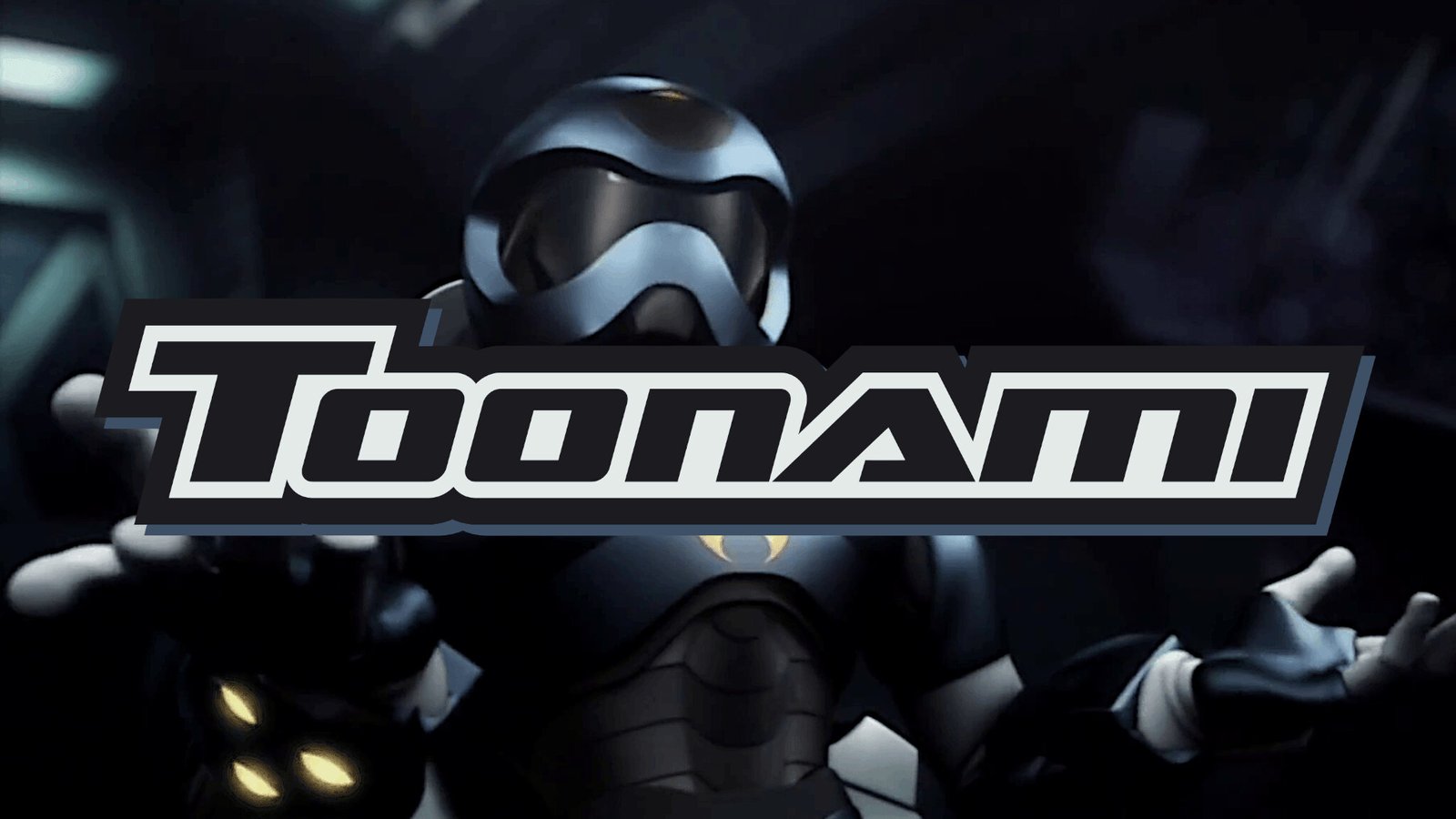 Few programming blocks shaped an entire generation of anime fans the way Toonami did. From the late 90s into the early 2000s, Toonami wasn’t just a TV lineup—it was a cultural gateway. It introduced Western audiences to action‑packed storytelling, unforgettable heroes, and the emotional depth of Japanese animation. These ten series didn’t just entertain; they helped define an era. With Toonami trying to make a comeback Let's look at the roots of the Cartoon Network block that aired on Saturday Nights 10. Naruto brought that knuckle-headed ninja right into our living rooms. When Naruto landed on Toonami, it didn’t just join the lineup—it detonated in the middle of our living rooms. This was the moment a whole new generation met the loud, stubborn, endlessly determined ninja who dreamed of becoming Hokage. Toonami framed Naruto’s world of jutsu, rivalries, and emotional backstories with the perfect mix of hype and heart, making every episode feel like an event. Naruto’s early arcs delivered everything Toonami fans craved: high‑energy battles, quirky humor, and surprisingly deep storytelling. But what really stuck was Naruto himself—a kid who refused to quit, even when the whole village turned its back on him. That underdog spirit resonated with fans who tuned in after school, rooting for him as if he were one of their own. In the late 90s and early 2000s anime boom, Naruto didn’t just fit in—it helped define the era. Toonami gave us the gateway, and Naruto kicked it wide open. 9. Zoids: Chaotic Century / New Century Zero Creature based mechs that kicked BUTT When Zoids hit Toonami, it felt like someone mashed together dinosaurs, big cats, dragons, and giant robots—and then cranked the cool factor to eleven. These weren’t just mechs; they were living, breathing metal beasts with personalities, instincts, and enough firepower to level a mountain. Chaotic Century brought the epic, story‑driven side of the franchise. It had political tension, ancient mysteries, and the legendary Liger Zero’s ancestor tearing across the battlefield. Toonami fans got hooked on its world‑building and the sense that every Zoid had a soul. Then New Century Zero rolled in with pure style—arena battles, rivalries, and the Liger Zero swapping armor like it was changing outfits before a fight. It was fast, flashy, and built for hype, the kind of show that made you sprint home after school so you didn’t miss a single match. Together, these two series delivered a perfect one‑two punch: creature‑based mechs that kicked butt and a universe that felt bigger than anything else on TV at the time. Toonami didn’t just air Zoids—it unleashed it. 8. Yu Yu Hakusho The Spirt Detective is Here When Yu Yu Hakusho arrived on Toonami, it felt like the block had just unlocked a whole new power level. This wasn’t your typical after‑school anime—this was a supernatural street‑brawler with attitude, heart, and some of the slickest fights ever aired on cable TV. Toonami introduced us to Yusuke Urameshi, the toughest kid in school who somehow became the Spirit Detective, solving cases that blurred the line between the human world and the demon realm. What made it hit so hard was the balance: raw emotion, sharp humor, and tournament arcs that became instant classics. Yusuke’s Spirit Gun, Kuwabara’s unbreakable loyalty, Hiei’s speed, and Kurama’s elegance—Toonami packaged it all with that signature hype that made every episode feel like a showdown you couldn’t miss. Yu Yu Hakusho didn’t just air on Toonami—it thrived there. It was bold, stylish, and unafraid to get intense, giving fans a supernatural saga that still stands tall today. The Spirit Detective had arrived, and Toonami made sure we were front‑row for every blast, punch, and demon‑realm twist. 7. Sailor Moon - The Magical Girl Craze Begins. When Sailor Moon hit Toonami, it didn’t just introduce a new show—it ignited a movement. This was the moment the magical‑girl genre burst into Western living rooms with cosmic sparkle, heartfelt drama, and a team of heroines who proved that saving the world could be stylish, emotional, and fiercely empowering. Toonami gave Sailor Moon the perfect stage. Between the transformation sequences, the monster‑of‑the‑week battles, and the friendships that felt larger than life, the series became a gateway for countless young fans discovering anime for the first time. Serena and the Sailor Scouts weren’t just characters—they were icons, each bringing their own charm, humor, and strength to the fight against darkness. What made it unforgettable was the blend of romance, comedy, action, and heart, all wrapped in a show that never talked down to its audience. Toonami helped the magical‑girl craze take root, and Sailor Moon stood proudly at the center of it, tiara shining, ready to defend love and justice. 6. The Big O - The Batman of Anime When The Big O rolled onto Toonami, it felt like stepping into a noir‑soaked dream where every shadow hid a mystery and every answer raised new questions. With its towering megadeus, brooding hero, and retro‑futuristic cityscape, the series delivered a vibe unlike anything else on the block. Toonami became the perfect stage for this stylish fusion of detective drama, giant‑robot spectacle, and philosophical intrigue. Roger Smith, Paradigm City’s top negotiator, carried himself with the cool confidence of a classic caped crusader—sharp suit, sharper mind, and a moral compass that never wavered. Paired with the enigmatic android R. Dorothy Wayneright, he navigated a world where memories had vanished and secrets lurked beneath every crumbling skyscraper. And when diplomacy failed, the colossal Big O rose from the depths to settle things with earth‑shaking force. What made it unforgettable on Toonami was its mood: moody jazz, thick atmosphere, and a mystery that pulled you in deeper with every episode. It wasn’t just action—it was style, substance, and storytelling that respected its audience. Toonami didn’t just air The Big O; it showcased a series that felt like anime’s answer to Gotham’s dark knight. 5. Dragonball / Dragonball Z /Dragonball GT- The Anime Defined a Generation When the Dragon Ball franchise hit Toonami, it didn’t just become part of the lineup—it became the heartbeat of an entire era. For countless fans growing up in the late 90s and early 2000s, this series wasn’t just a show; it was a ritual, a cultural moment, and the spark that ignited a lifelong love of anime. Dragon Ball brought us the pure adventure: a young Goku, a world full of strange creatures, martial arts mysticism, and a treasure hunt that felt limitless. Toonami introduced us to the charm, humor, and boundless curiosity that laid the foundation for everything to come. Then Dragon Ball Z arrived and changed the game. This was the series that turned after‑school TV into an adrenaline rush. Planet‑shaking battles, iconic transformations, unforgettable villains—DBZ delivered spectacle and emotion on a scale no other show could match. Toonami’s hype‑filled promos and late‑afternoon marathons made every saga feel like an event you had to be there for. And while Dragon Ball GT took fans into a new era with cosmic adventures and bold reinventions, Toonami gave it the spotlight to stand on its own. Whether it was the return to Goku’s roots or the sleek power of Super Saiyan 4, GT added another layer to a franchise that refused to stop evolving. Across all three series, Toonami didn’t just broadcast Dragon Ball—it amplified it. The block’s energy, music, and attitude turned Goku, Vegeta, and the entire Z‑Fighter crew into legends for a generation. These shows taught us about perseverance, friendship, and pushing past our limits long before we had the words for it. For many fans, Dragon Ball wasn’t just anime—it was the gateway, the blueprint, and the series that defined what epic storytelling could be. 4. Outlaw Star - The Space Western When Outlaw Star blasted onto Toonami, it felt like the block had just opened the throttle on a whole new frontier. This wasn’t just sci‑fi—it was a full‑on space western, complete with outlaw crews, high‑stakes heists, ancient mysteries, and gunfights that could break the sound barrier. Toonami gave the series the perfect launchpad, letting its blend of grit, charm, and cosmic swagger shine. Gene Starwind was the kind of hero Toonami fans instantly latched onto: flawed, fearless, and always in over his head. Paired with the brilliant Jim Hawking, the enigmatic Melfina, and a ship that could out‑maneuver anything in the galaxy, the Outlaw Star crew turned every episode into a wild ride. Whether they were dodging pirates, hunting treasure, or firing off caster shells, the show delivered a sense of adventure that felt limitless. What made Outlaw Star unforgettable on Toonami was its tone—fun, dangerous, stylish, and endlessly imaginative. It had the swagger of a western, the wonder of classic sci‑fi, and the heart of a true underdog story. Toonami didn’t just air Outlaw Star; it helped cement it as one of the defining space epics of the era. 3. Tenchi Muyo! - The Harem anime of anime When Tenchi Muyo! landed on Toonami, it introduced a whole new flavor of anime to Western audiences—one part sci‑fi adventure, one part slice‑of‑life comedy, and one part “how is this poor guy surviving all of this?” chaos. It was the harem anime that set the standard, blending intergalactic drama with everyday awkwardness in a way that felt fresh, funny, and totally unpredictable. Tenchi Masaki was the ultimate accidental hero: a normal kid who suddenly found himself living with alien princesses, space pirates, mad scientists, and cosmic beings who could level a planet. Toonami fans quickly fell in love with the show’s mix of romantic tension, wild personalities, and sci‑fi world‑building that stretched from a quiet Japanese shrine to the farthest reaches of the galaxy. What made Tenchi Muyo! shine on Toonami was its tone. It wasn’t just about who liked Tenchi—it was about the relationships, the humor, and the sense that anything could happen at any moment. One episode could be heartfelt, the next explosive, and the next completely ridiculous in the best way possible. For many viewers, Tenchi Muyo! was their first taste of the harem genre, and it set the bar high. Toonami didn’t just air it—they helped turn it into a cult classic that fans still remember with a smile. 2. InuYasha — The Isekai Anime That Started It All When InuYasha arrived on Toonami, it opened a portal—not just for Kagome, but for every viewer who suddenly found themselves swept into a world of feudal legends, demon battles, and star‑crossed destiny. Long before “isekai” became a genre buzzword, InuYasha showed us how thrilling it could be to tumble into another world and discover adventure waiting on the other side. Kagome’s journey from modern‑day Tokyo to the Sengoku era felt magical, mysterious, and dangerous all at once. And at the center of it stood InuYasha himself—half‑demon, half‑human, all attitude. Their partnership, full of tension, humor, and slow‑burn emotion, became one of Toonami’s most iconic duos. Add in unforgettable allies like Miroku, Sango, and Shippo, plus villains like Naraku who seemed impossible to defeat, and you had a saga that kept fans glued to the screen night after night. What made InuYasha shine on Toonami was its blend of romance, action, folklore, and atmosphere. It wasn’t just about fighting demons—it was about unraveling ancient mysteries, confronting inner demons, and navigating relationships that felt as epic as the battles themselves. The show’s haunting music, sweeping landscapes, and emotional storytelling gave it a tone unlike anything else on the block. For many fans, InuYasha wasn’t just another anime—it was their first taste of isekai, the series that showed how powerful and immersive a journey to another world could be. Toonami didn’t just air it; they turned it into a late‑night legend. HM. Rurouni Kenshin - The Samurai with the Cross shaped Scar! When Rurouni Kenshin arrived on Toonami, it brought something the block didn’t showcase often: a thoughtful, character‑driven samurai drama wrapped in lightning‑fast swordplay and emotional storytelling. Set in Japan’s Meiji era, the series followed Kenshin Himura—a former assassin known as Hitokiri Battōsai—who traded his bloody past for a vow never to kill again. His iconic cross‑shaped scar wasn’t just a design choice; it was a symbol of guilt, redemption, and the weight of a life he was trying to leave behind. Toonami fans connected instantly with Kenshin’s duality. He was gentle, humble, and almost goofy at times—but when danger struck, his reflexes and skill reminded everyone why he was once feared across the nation. Surrounded by a cast of memorable allies—Kaoru, Yahiko, and the ever‑rowdy Sano—the series blended heart, humor, and historical intrigue in a way that felt refreshingly different from the block’s usual high‑octane lineup. What made Rurouni Kenshin shine on Toonami was its balance. The show delivered beautifully choreographed sword fights, but it also explored themes of atonement, peace, and the struggle to change. It wasn’t just about clashing blades—it was about confronting the past and choosing a better path, even when the world refused to let you forget who you were. For many viewers, Kenshin wasn’t just another anime hero—he was a quiet legend. A wandering swordsman with a scarred past, a kind heart, and a promise he fought every day to keep. Toonami gave him the perfect stage, and fans never forgot the samurai with the cross‑shaped scar. 1. Cowboy Bebop - The Bounty Hunters in Space When Cowboy Bebop landed on Toonami, it didn’t just join the lineup—it redefined what anime on television could feel like. This was a series dripping with style, attitude, and mood, a space‑noir western that followed a crew of misfits drifting through the galaxy in search of bounties, answers, and maybe a little redemption. Toonami gave it the perfect late‑night slot, letting its jazz‑soaked atmosphere and mature storytelling hit exactly the way it was meant to. Spike Spiegel became an instant icon: cool, dangerous, and haunted by a past he couldn’t outrun. Jet Black brought the grit, Faye Valentine the chaos, Ed the brilliance, and Ein the charm. Together aboard the Bebop, they turned every episode into a self‑contained adventure—sometimes funny, sometimes heartbreaking, always unforgettable. What made Cowboy Bebop stand out on Toonami was its genre‑blending mastery. One night you’d get a western shootout, the next a sci‑fi thriller, the next a quiet character study that stuck with you long after the credits rolled. And with Yoko Kanno’s legendary soundtrack driving every scene, the show didn’t just tell stories—it grooved through them. For many fans, Cowboy Bebop wasn’t just another anime. It was a revelation, a series that proved animation could be cinematic, emotional, and effortlessly cool. Toonami didn’t just air it—they helped cement it as one of the greatest space sagas ever broadcast. Conclusion What are your thoughts on our list. Did we miss anything? let us know in the comments below!
 -
Hello! I love rhe holidays but I will be glad when they are over so i can stop entertaining guests having a bonfire with some friends tonight then tomorrow will be moving everything that i cant import (anime darabase, news articles reviews) here by hand and thats a crapton of content
-
More than a Married Couple, but Not Lovers This anime has a Toradora feel.
-
An update and remainder of the rules for our Member Drive! From January 1st through March 1st, we’re inviting all current members to help grow our community. The more friends, colleagues, and fellow geeks you bring in, the greater your chances to win awesome prizes! 📜 Rules of the DriveEligibility: All current Geek Nexus members are eligible to participate. Recruitment Window: Only new members who join between January 1st and March 1st will count toward your total. Tracking: Each new member has a Referral link in their "Account Settings" This is how you will be tracked. I am working on banners for this! Fair Play: No duplicate accounts or fake sign-ups. Any suspicious activity will disqualify entries. Deadline: All referrals must be submitted by March 1st at 11:59 PM EST. Prizes will be announced on December 30th 🏆 PrizesGrand Prize: 3 Month access to VIP membership First Runner-Up Prize: 2 Month access to VIP Membership Second Runner-up Prize: 1 Month access to VIP Membership.
-
Fixed. I just copied the Xbox one and forgot to disable the registration page and required tick
I hope everyone had a great holiday season What is your new year's resolution? For me it will be drink more water. but it seems like every year six months in I am back to drinking Sodas all the time.
NFL Game Seahawks vs. Panthers. Was not happy with the outcome.
Here you can show off your anime chops and let everyone know what anime you have just recently completed! Attack on Titan My Hero Academia
hello and welcome! Yes I am slowly merging AS into GN so I can concentrate on one forum. and another project
Well, I have 3 projects active at the moment. Closing AS I can focus on GN and my Streaming that I am going to pick back up at the first of the year.
I want to thank each of you for being part of Anime Social and Anime Insight over the past few years. These communities merged in late 2024, and Anime Social has been active for over a year. Unfortunately, due to ongoing inactivity and my own mental health challenges, Anime Social will officially close as of January 1, 2026. I truly appreciate the support and engagement you’ve shown during this journey. It’s been an incredible experience sharing our love for anime together.

Important Information
Please make sure you read our Terms of Use and Privacy Policy
Account
Search
Configure browser push notifications
Chrome (Android)
- Tap the lock icon next to the address bar.
- Tap Permissions → Notifications.
- Adjust your preference.
Chrome (Desktop)
- Click the padlock icon in the address bar.
- Select Site settings.
- Find Notifications and adjust your preference.
Safari (iOS 16.4+)
- Ensure the site is installed via Add to Home Screen.
- Open Settings App → Notifications.
- Find your app name and adjust your preference.
Safari (macOS)
- Go to Safari → Preferences.
- Click the Websites tab.
- Select Notifications in the sidebar.
- Find this website and adjust your preference.
Edge (Android)
- Tap the lock icon next to the address bar.
- Tap Permissions.
- Find Notifications and adjust your preference.
Edge (Desktop)
- Click the padlock icon in the address bar.
- Click Permissions for this site.
- Find Notifications and adjust your preference.
Firefox (Android)
- Go to Settings → Site permissions.
- Tap Notifications.
- Find this site in the list and adjust your preference.
Firefox (Desktop)
- Open Firefox Settings.
- Search for Notifications.
- Find this site in the list and adjust your preference.